
In a world where technology is advancing astonishingly, the Internet of Things (IoT) concept has emerged—a transformative force reshaping how we interact with the digital realm and the physical world. IoT has evolved from being a futuristic concept. With the progression of technology, engaging in activities is becoming more prevalent a crucial role in our everyday routines. Revolutionizing industries, enhancing convenience, and unlocking endless possibilities for innovation.
Unveiling the IoT Universe
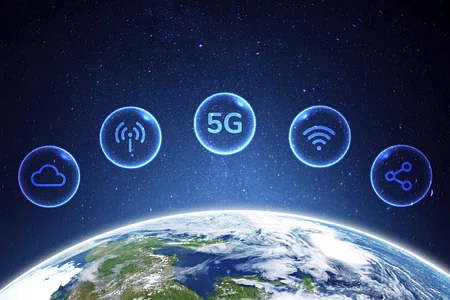
At its core, the Internet of Things refers to the interconnected network of everyday objects, devices, and systems embedded with sensors, software, and other technologies to enable them to collect, exchange, and analyze data. These objects, commonly called “smart” devices, can range from household appliances and wearable gadgets to industrial machinery and urban infrastructure.
The fundamental principle of IoT is simple: to create an ecosystem where these devices can communicate and collaborate seamlessly, sharing data and insights to enhance efficiency, convenience, and productivity. This interconnectedness has given rise to a world where the physical and digital realms merge, opening up a realm of possibilities that were once relegated to science fiction.
Applications Transforming Industries

IoT’s impact is felt across a multitude of industries, each benefiting from its unique capabilities:
- Healthcare: IoT-enabled medical devices and wearables have revolutionized patient care. From remote health monitoring to intelligent insulin pumps, the healthcare sector has embraced IoT to improve diagnostics, treatment, and patient outcomes.
- Manufacturing: IoT-powered automation and predictive maintenance have reshaped the industrial landscape. Sensors embedded in machinery collect real-time data, enabling proactive maintenance and minimizing downtime.
- Transportation: Smart vehicles with IoT sensors pave the way for autonomous driving and intelligent traffic management systems. Fleet tracking, route optimization, and vehicle-to-vehicle communication enhance road safety and efficiency.
- Agriculture: The agricultural sector leverages IoT to monitor soil conditions, crop health, and livestock. This data-driven approach optimizes farming practices, maximizes yields, and minimizes resource wastage.
- Smart Cities: Urban centers are harnessing IoT to enhance infrastructure and services. Intelligent streetlights, waste management systems, and efficient energy usage contribute to sustainable and livable cities.
Challenges and Considerations

While the potential of IoT is awe-inspiring, its rapid proliferation is not without challenges:
- Security: The interconnected nature of IoT raises concerns about data privacy and cybersecurity. With more devices collecting sensitive data, ensuring robust security measures is imperative.
- Interoperability: As the IoT landscape expands, compatibility and standardization become crucial. Ensuring effective communication among devices produced by various manufacturers seamlessly is a complex challenge.
- Data Management: IoT devices’ enormous volume of data requires efficient storage, processing, and analysis infrastructure. Effective data management strategies are essential to derive meaningful insights.
- Ethical Concerns: IoT’s extensive data collection capabilities raise ethical questions about user consent, data ownership, and the potential for misuse of personal information.
The Road Ahead
As technology advances, the Internet of Things is poised to evolve further. Integrating artificial intelligence (AI) and machine learning (ML) with IoT will amplify its capabilities, enabling devices to autonomously make informed decisions and predictions relying onreal-time data.
The expansion of 5G networks will also play a pivotal role, providing the high-speed, low-latency connectivity required to support the increasing number of IoT devices.

Conclusion
The Internet of Things represents a paradigm shift reshaping our world, one device at a time. Its potential to enhance efficiency, improve quality of life, and drive innovation is unparalleled. However, responsible implementation, addressing security concerns, and fostering collaboration among stakeholders will be crucial in unlocking the full potential of this transformative technology. As we stand on the brink of a new era, the Internet of Things holds the key to a more innovative, interconnected future.
Very nice post. I just stumbled upon your weblog and wanted
to say that I’ve really enjoyed browsing your blog posts.
After all I will be subscribing to your rss feed and I hope you write again very soon!
Check out my web blog; web site
Ahaa, its nice conversation regarding this piece of writing here at this webpage, I have read all that, so now me also commenting here.
Review my blog post … vpn special coupon